
The Origin, Significance, and Legacy of One of Hinduism's Most Beloved Hymns
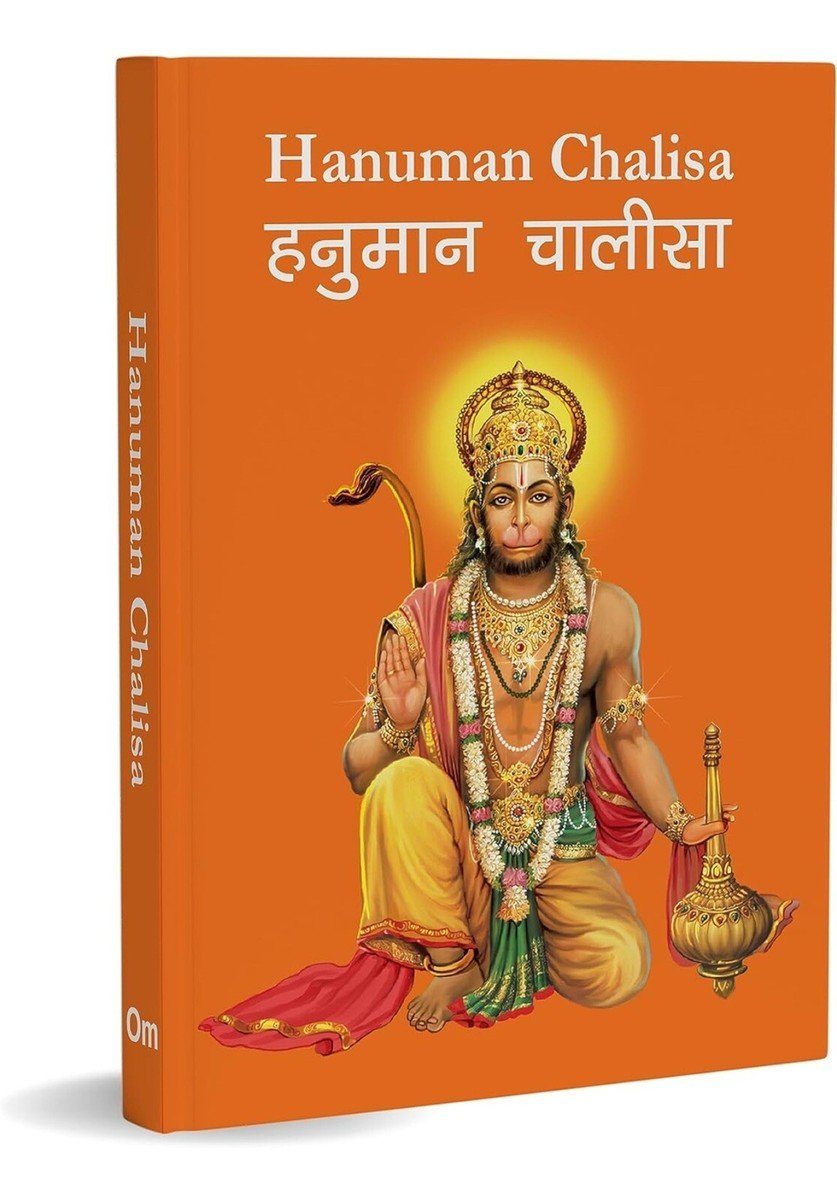
The Hanuman Chalisa is a devotional hymn dedicated to Lord Hanuman, composed by the revered poet-saint Goswami Tulsidas in the 16th century. It consists of forty verses praising Hanuman's strength, devotion, wisdom, and service to Lord Rama.
Who Wrote the Hanuman Chalisa?
The Hanuman Chalisa was composed by Goswami Tulsidas, one of the greatest saints and poets in Indian history. He is also the author of the Ramcharitmanas, the famous retelling of the Ramayana in the Awadhi language.
Tulsidas was an ardent devotee of Lord Rama and believed that devotion to Hanuman was one of the easiest paths to attain the blessings of Shri Rama. Through the Hanuman Chalisa, he expressed his deep reverence for Hanuman, whom he considered the ideal devotee and servant of God.
Origin of the Hanuman Chalisa
The word "Chalisa" comes from the Hindi word "Chalis", meaning forty. The hymn contains forty verses (chaupais) in addition to opening and closing couplets known as dohas.
According to popular tradition, Tulsidas composed the Hanuman Chalisa during a period of spiritual contemplation and devotion. The composition was written in the Awadhi language so that ordinary people could easily understand and recite it.
"Hanuman Chalisa is not merely a prayer; it is a celebration of devotion, courage, humility, wisdom, and unwavering faith."Why Is Hanuman Chalisa So Popular?
For centuries, devotees have recited the Hanuman Chalisa to seek Lord Hanuman's blessings for strength, protection, courage, and peace of mind. Its simple language and powerful spiritual message have made it one of the most widely recited Hindu prayers across the world.
- Invokes courage and confidence
- Promotes devotion and faith
- Provides mental and spiritual comfort
- Celebrates Lord Hanuman's virtues
- Easy to memorize and recite daily
Significance of Lord Hanuman in the Chalisa
The Hanuman Chalisa describes Lord Hanuman as a symbol of:
- Bhakti (Devotion)
- Shakti (Strength)
- Jnana (Wisdom)
- Seva (Selfless Service)
- Courage and Fearlessness
Many verses recount Hanuman's heroic deeds from the Ramayana, including his leap across the ocean, discovery of Sita in Lanka, burning of Lanka, and his unwavering dedication to Lord Rama.
Structure of Hanuman Chalisa
- 2 Opening Dohas (Introductory Verses)
- 40 Chaupais (Main Verses)
- 1 Closing Doha
Each verse glorifies a different aspect of Hanuman's character, from his immense strength and intelligence to his humility and devotion.
Cultural Impact
The Hanuman Chalisa has become an integral part of Hindu devotional life. It is recited in homes, temples, religious gatherings, and festivals such as Hanuman Jayanti.
Over the centuries, the Chalisa has been translated into numerous languages and sung by many renowned artists, enabling its message to reach people across generations and cultures.
Conclusion
The Hanuman Chalisa continues to inspire millions of devotees worldwide. Its timeless message of faith, courage, humility, and devotion has made it one of the most cherished spiritual compositions in Hindu tradition. Whether recited for devotion, strength, or inner peace, the Hanuman Chalisa remains a powerful reminder of Lord Hanuman's unwavering dedication to righteousness and divine service.